



















The car-sharing business has mixed signals in Australia. Arval’s 2026 Fleet & Mobility Barometer found that 15% of Australian companies with corporate vehicles already use or are considering car sharing. Yet Popcar closed down on 1 October 2026 after operating for almost a decade. The closure announcement cited rising fuel, insurance, and vehicle costs. (Barometer report; KINTO’s report on the closure).
Uber had closed Uber Carshare in September 2024 for much the same reasons. Meanwhile, Karmo’s subscription business passed $60 million in annualised revenue, and Turo says that more than 116,000 guests have rented from its hosts here since 2022.
Renters aren’t the problem. The cost of running the fleet is the issue. That is the real brief for car rental app development in Australia this year. For a new rental business, the app has to do more than take bookings. It needs to help manage the fleet, handovers, and costs that keep the service running.
Quick answer. A car rental app needs customer, fleet, host, or admin features. A mid-range car rental app may cost AUD 40,000 to 150,000 in Australia. It covers bookings, payments and license checks. A complex marketplace app with real-time vehicle integrations can reach AU$150,000–$400,000+. Choose your rental model first. Define essential workflows before estimating features, cost, or timeline. Have your Privacy Act disclosure ready before 10 December 2026.
Which business model should you build?
Your model shapes the app more than any single feature does.

Features to include in a car rental app
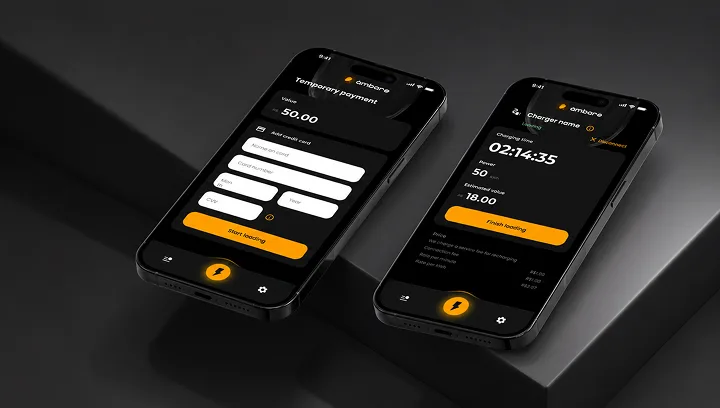
Launch with the loop a renter completes: find, book, verify, unlock, drive, return, pay. Everything else waits for version two.
GPS and remote vehicle access depend on compatible hardware and integrations. The Australian Cyber Security Centre notes that connected vehicle apps can enable remote functions and create privacy and security risks. (ACSC connected vehicle guidance).
Pricing needs the same care. In January 2026, the ACCC announced that a car rental booking platform had paid $39,600 in penalties after concerns about how it displayed prices and preselected extras. Show the total price and mandatory charges clearly before a renter books. (ACCC release)
Add loyalty rewards, corporate accounts, or subscriptions once the core workflows are working well.
All car rental businesses benefit from maintenance reminders and clear processes for late returns, breakdowns, and incidents. Your app can also include host and renter reviews, alongside identity checks and dispute handling.
How much does car rental app development cost in Australia?
Budget about 20% of the car hire app development cost every year for maintenance. Map, SMS, ID-check and payment fees grow with every booking, so price them per trip.
Hardware integration and payments with deposit holds are what usually push the number up. A single cross-platform codebase, built in Flutter, keeps it down. Hosting in the AWS Sydney region keeps renter data onshore.
How to build a car rental app?
A clear car rental software development plan starts with the operating model, not a long feature wishlist.
- Choose the model. Decide whether the app will manage a company-owned fleet, enable peer-to-peer rentals, or support both. This changes the onboarding, payment, insurance, and admin workflows.
- Set the first-release scope. Pick the first customer group and service area. Define the core journey: find a vehicle, book it, pay, collect it, and return it.
- Map each user’s workflow. Document what renters, hosts or fleet staff, and administrators need to do before, during, and after a rental.
- Select integrations. Confirm which payment, identity, mapping, messaging, fleet and vehicle-access systems are needed. Check hardware and API compatibility before committing to keyless entry or live tracking.
- Build and test the booking journey. Test pricing, deposits, licence checks, cancellations, vehicle photos, pickup instructions and returns on real devices.
- Pilot and improve. Launch with a limited fleet or area. Track booking completion, vehicle utilisation, failed handovers, and support requests before expanding.
Podcast: How to Build a Profitable Car Rental App in Australia

A booking screen alone won’t make a car rental app work. To make money over time, you need the right business model, tight control over fleet costs, and a clear picture of what your customers want.
In this episode, we talk about what it costs to build a car rental app in Australia, which features you need, and how to pick your tech stack. We cover licence checks, payments, fleet management and where to put your money first.
You’ll also hear how to set a realistic budget, which features you can leave until later, and how to launch an app that can grow with your business.
 Press play and listen.
Start Your Car Rental Business With the Right App

Operators who closed in 2024 and 2026 cited costs. An app that shows idle time, insurance claims, and utilisation per car every week lets you act before the quarter closes. Start car-sharing app development with a scoped MVP, then use pilot results to decide what to build next.
FAQs
How much does it cost to build a car rental app in Australia?
A mid-range app may cost AU40,000–150,000; a complex platform with marketplace or vehicle integrations may reach AU150,000–400,000 or more. Scope determines the quote.
What features does a car rental app need?
At minimum: driver checks, vehicle search and availability, booking, clear pricing, payments, pickup and return instructions, support and admin tools.
How do car rental and car sharing apps make money?
Common models include rental charges, booking commissions, host fees, delivery charges, optional extras, subscriptions, and business fleet contracts.
Can a car rental app support keyless entry and GPS tracking?
Yes, when compatible vehicle hardware and APIs are available. Include privacy controls and a backup process for access or connectivity failures.
How long does it take to build a car rental app?
A mid-range app may take three to six months; complex platforms can take six to twelve months, depending on integrations and scope.
Should I build a traditional car hire app or a peer-to-peer car sharing app?
Choose traditional fleet hire if your business manages the vehicles. Choose peer-to-peer if you need to onboard owners and manage listings, payouts, and disputes.


Delivery Manager
Gurpreet Singh is a seasoned Software Professional with over 16 years of experience in project planning, software development, and delivering complex web and mobile applications using Agile methodologies. He has extensive experience with Scrum and Kanban across eCommerce, Healthcare, Event Management, and Ride Aggregation domains, along with expertise in client interaction, requirement gathering, invoicing, project planning, and solution design. Gurpreet is proficient in Node.js, PHP, Python, JavaScript, MySQL, MariaDB, and MongoDB, with hands-on experience integrating third-party APIs, developing API endpoints, and designing AWS-based microservices architectures.