













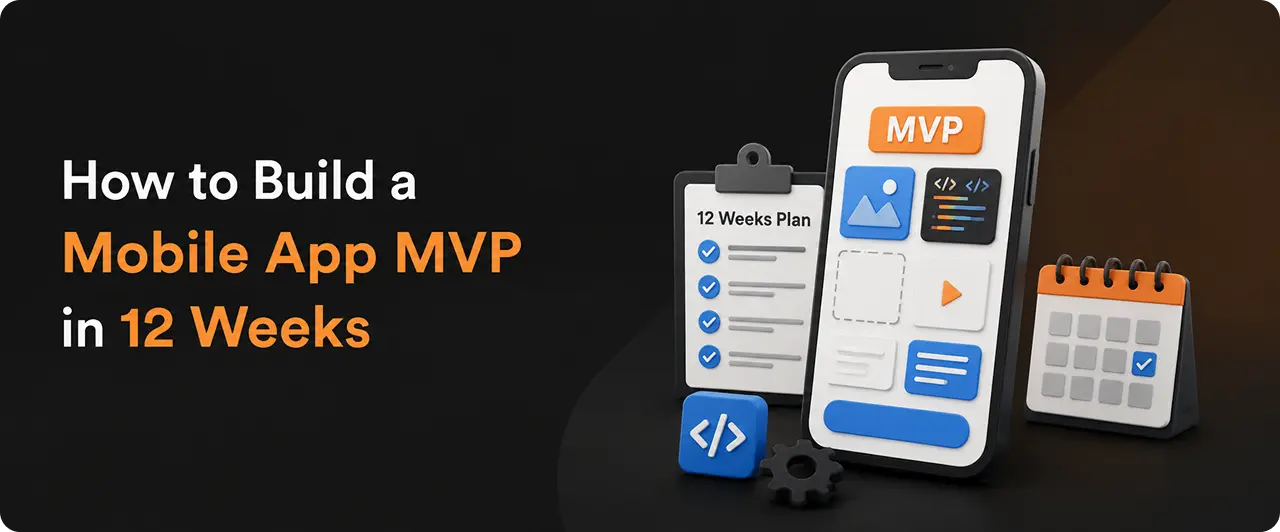
Most startup ideas sound exciting in the beginning. Then reality shows up. Budget limitations, development delays, feature overload, and uncertainty around whether people will even use the app. That’s usually where founders either overbuild or get stuck planning for too long.
A mobile app MVP changes that approach completely. Instead of spending months building a polished product nobody asked for, founders launch a smaller version first. Something functional, focused, and fast enough to test in the real world.
That’s why MVP App Development has become the default path for a lot of startups in Sydney. Not because it’s cheaper. Because it’s smarter.
What Is a Mobile App MVP and Why Does It Matter?
An MVP, or Minimum Viable Product, is basically the simplest version of your app that still solves a real problem. Not a half-built app. Not a rough idea. It’s a working product with just enough features for people to use and give feedback on.
That’s the important part. The goal isn’t perfection. It’s validation. A good mobile app MVP helps founders understand whether users actually care before investing heavily into full-scale development. That early learning can save a huge amount of time and money later.
Why Sydney Startups Are Choosing MVP Development?
Startup costs in Australia aren’t exactly small anymore. Hiring developers, designers, and marketers. Everything adds up quickly. Investors want proof that users actually want the product before larger funding conversations happen.
That’s one reason MVP Development in Sydney keeps growing. Founders want something they can launch fast, test properly, and improve based on real feedback instead of assumptions. It also helps businesses avoid building features nobody ends up using. That happens more often than people think.
The 12-Week MVP Development Roadmap
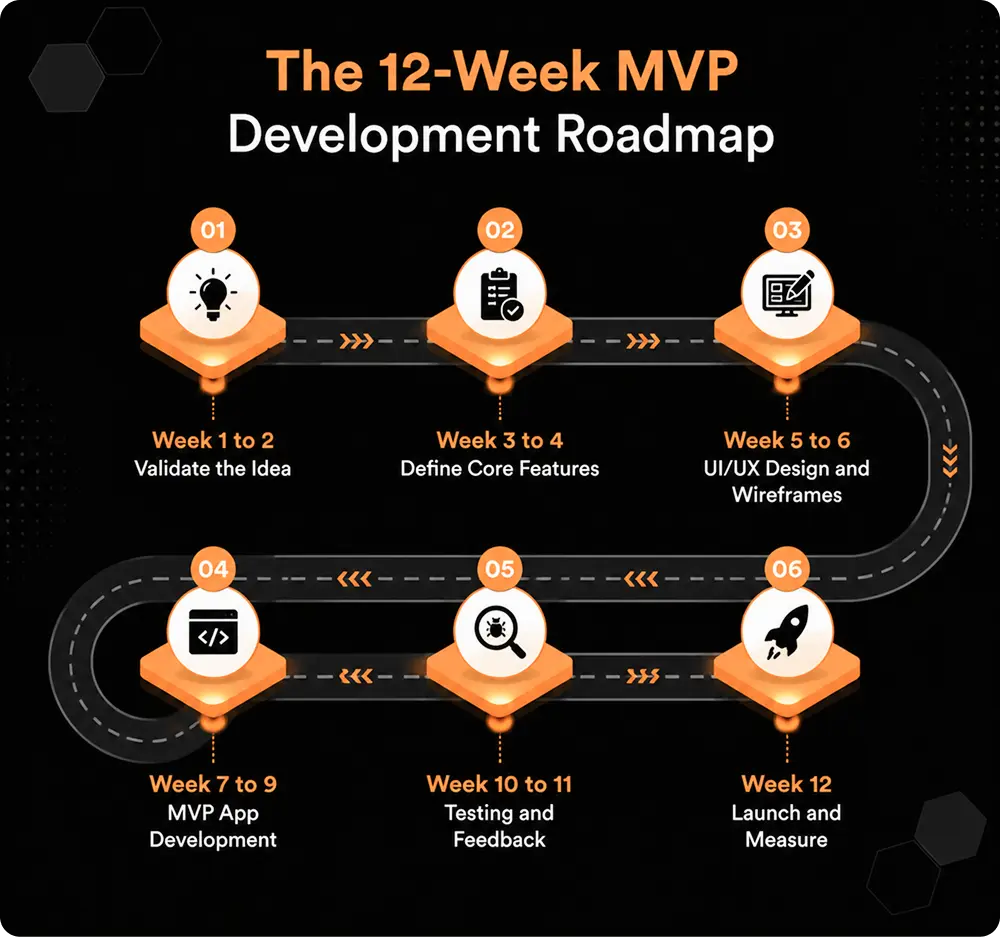
Week 1–2: Validate the Idea
This stage matters more than most founders expect. The focus here is on understanding the actual problem your app solves. Not every idea needs an app. Not every feature matters to users. Research competitors. Talk to potential users. Figure out the pain points. The clearer the problem is, the easier the rest becomes.
Week 3–4: Define Core Features
This is where a lot of MVPs go wrong. Founders start adding too much too early. Notifications, dashboards, advanced filters, referral systems. Most of that can wait. A strong MVP usually focuses on one core experience. If your users don’t like the main feature, extra features won’t save the product.
Week 5–6: UI/UX Design and Wireframes
Now the app starts becoming real. Designing wireframes early helps map user flows before development begins. It also exposes usability issues before time gets wasted building the wrong thing. Simple usually works better for MVPs. The easier the onboarding and navigation feel, the more useful your testing becomes later.
Week 7–9: MVP App Development
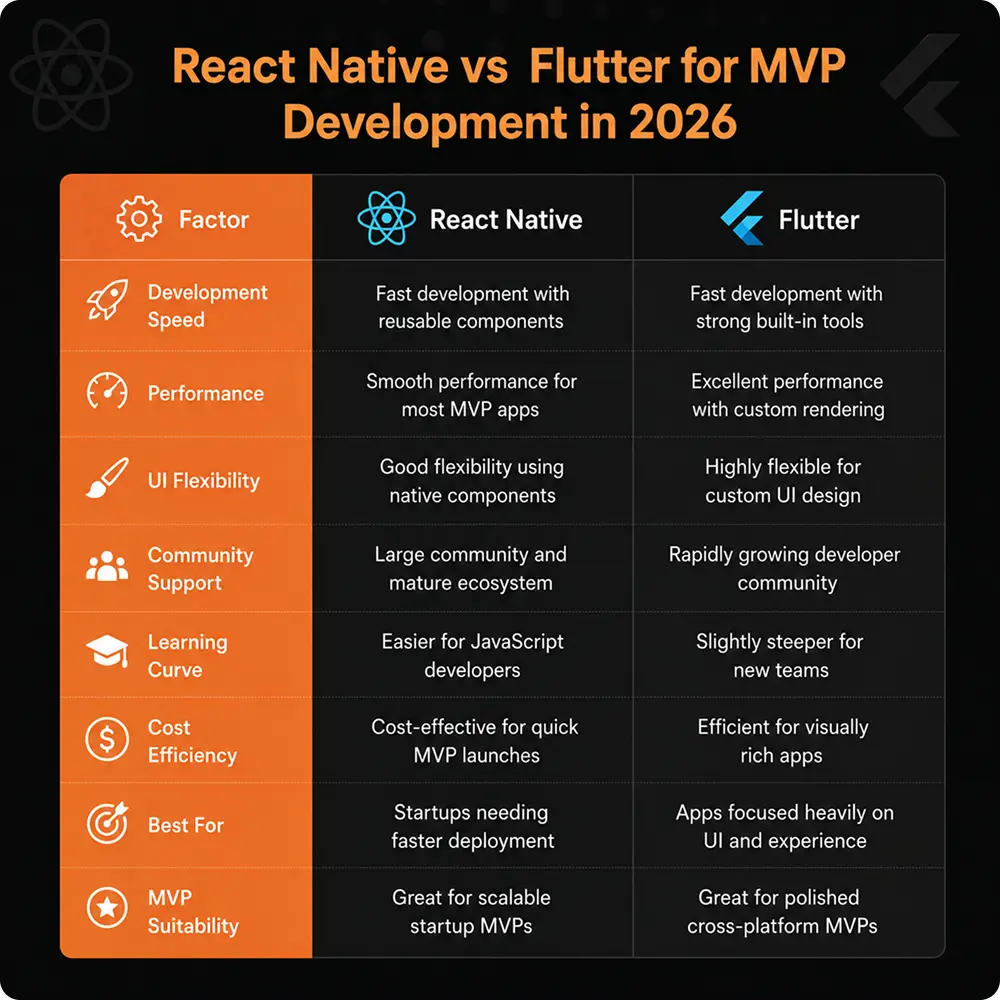
This is where development moves quickly. Most teams use agile workflows during this phase. Features can evolve while the product is being built. A lot of startups also choose Cross-Platform Frameworks (React Native or Flutter) to speed things up and reduce costs. Both are great for MVP app development. The better choice usually depends on the type of experience you’re trying to create.
Week 10–11: Testing and Feedback
No app launches perfectly. This phase is about finding bugs. You fix usability problems and see how real people interact with the product. Internal testing matters. But user feedback matters more. Watching where users struggle often reveals critical problems.
Week 12: Launch and Measure
Launching an MVP doesn’t mean the product is finished. It means the learning phase begins. A smaller rollout or beta launch usually works better than trying to scale immediately. Early usage patterns, retention, and feedback tell you what actually deserves investment moving forward. That data becomes incredibly valuable.
How Much Does an MVP Cost in Australia?
The MVP App Development Cost depends heavily on complexity. Here’s a simple breakdown:
The biggest mistake founders make is trying to build a full product during the MVP stage. That usually delays launch and increases risk.
React Native vs Flutter for MVP Development
How to Validate Your MVP With Real Users?
This part matters more than the launch itself.
- Launch early to a small audience. Don’t rely only on opinions from friends or internal teams.
- Gather behavioural data, not just opinions. Real validation comes from actual usage behaviour.
- Track retention and usage patterns
- Iterate based on feedback. Faster iterations make feedback easier to implement.
- Work with an experienced App Developer in Sydney.
🎧 Build Your Startup App MVP Without Wasting Time or Budget

A successful MVP is not about building less. It’s about learning faster. In this episode, we explore how startup founders are creating lean mobile app MVPs that solve real problems before investing heavily into full-scale development.
From defining core features and building cross-platform apps to testing with real users, we cover the complete process behind launching an MVP within a realistic 12-week timeline.
We also discuss MVP development in Sydney, app development costs, React Native vs Flutter, and why startups are focusing more on validation instead of perfection in 2026.
 Press play and listen.
Build Your App MVP Today!

A successful MVP is the app that learns the fastest. That’s why founders are moving toward smaller launches and faster testing. They focus on continuous improvement instead of waiting a year to release something “perfect.” In most cases, speed and clarity beat complexity early on.
Frequently Asked Questions (FAQs)
How long does it take to build a mobile app MVP in Sydney?
Most MVPs take around 8 to 12 weeks depending on complexity and feature requirements.
How much does an MVP cost in Australia?
Costs vary widely, but most MVPs fall somewhere between $15,000 and $150,000+ depending on scope.
What is the difference between a prototype and an MVP?
A prototype demonstrates an idea visually, while an MVP is a functional product users can actually use.
Should I use React Native or Flutter for my MVP?
Both are strong choices. The right option depends on your product goals and technical requirements.
How do I validate my MVP idea with real users?
Launch early, gather usage data, track user behaviour, and improve the product based on feedback.


Technical Lead
Himangi is currently working as a Technical Lead at VT Digital. She has nearly 10 years of software engineering experience. Since 2016, Himangi has built and architected applications across native Android (Kotlin) and Flutter (Mobile & Web). She specializes in building scalable cross-platform systems, optimizing engineering processes, and leveraging AI tools to push the boundaries of mobile development.