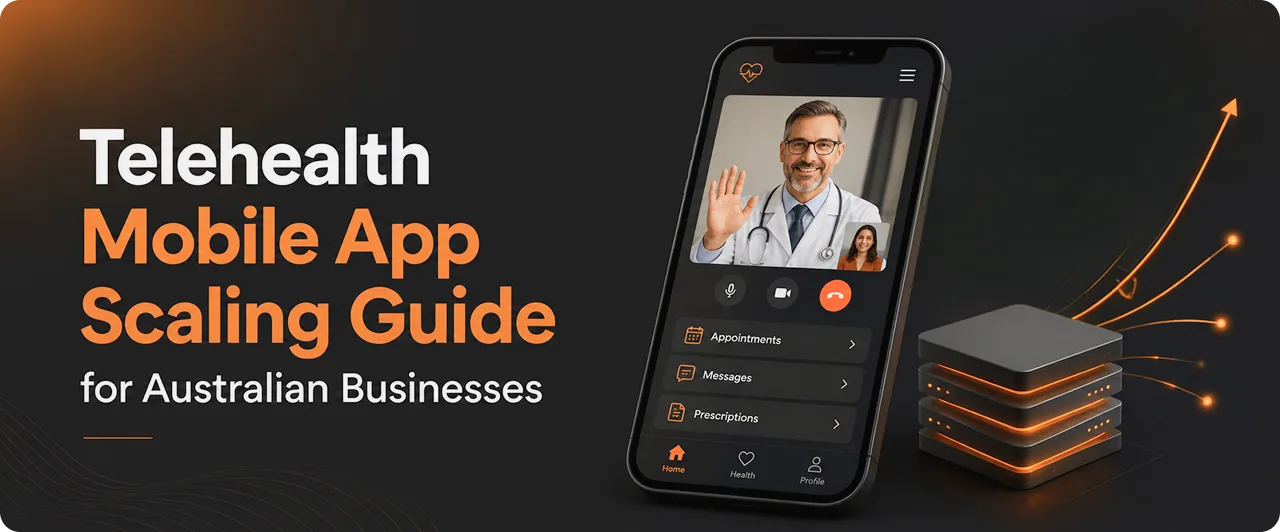














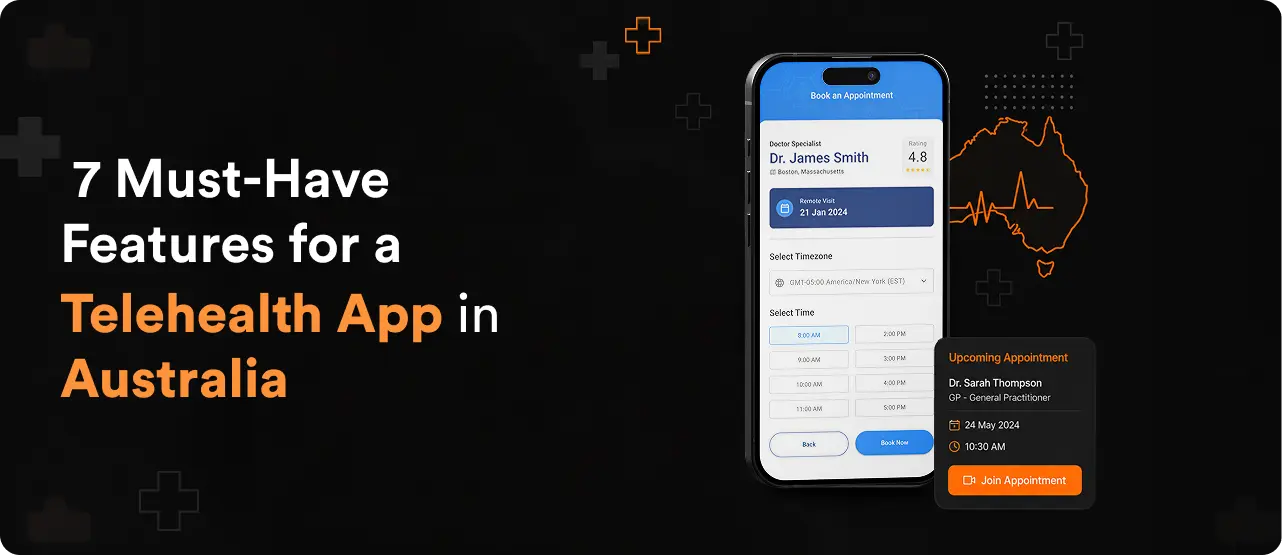
Telehealth isn’t new anymore. It’s just part of how healthcare works now. Patients expect it. Clinics rely on it. And for many healthcare businesses in Australia, it’s become one of the easiest ways to stay accessible without stretching resources.
But here’s the thing. Building a telehealth app isn’t the hard part. Building one that people actually use is where most businesses get stuck. It usually comes down to getting the basics right. A mobile app development company in Australia can help you with that!
A basic app with core features will cost less and take less time. Once you start adding integrations, security layers, and advanced features, both cost and timeline go up. Some businesses build everything at once. Others take a phased approach. Start small, test it, then expand.
Why Telehealth Apps Are Growing in Australia?
A few years ago, telehealth felt like a backup option. Now it’s often the first choice.
People want quick access, fewer in-person visits, and something that fits into their schedule. Healthcare providers want the same thing from the other side. Less admin, better coordination, smoother systems.
That’s why telehealth app development keeps picking up. It’s not just for large hospitals anymore. Clinics, startups, and even niche healthcare providers are getting into it.
7 Must-Have Features for a Telehealth App in 2026
1. Secure Video Consultation
This is the core of it all. If video calls lag or drop, people won’t stick around. It also needs to be secure. Patient data isn’t something you can take lightly, especially in Australia. A smooth video experience builds trust and keeps consultations effective.
2. Easy Appointment Scheduling
Booking should feel simple. Real-time availability, quick rescheduling, and automatic reminders. If users have to think too much just to book, they’ll drop off. It should take just a few clicks to confirm or change an appointment.
3. Electronic Health Records (EHR) Integration
Doctors need context. Patients don’t want to repeat themselves every time. A connected system that stores and shares records properly makes consultations smoother. It also helps reduce errors and improve continuity of care.
4. Payment and Billing Integration
No one wants to deal with complicated payments after a consultation. It should be quick, secure, and flexible enough to handle different billing setups. An easy checkout experience keeps things professional and hassle-free.
5. Multi-Device Accessibility
Some users will be on mobile. Others on laptops or tablets. The experience needs to feel consistent, no matter where they log in from. If it works well across devices, adoption becomes much easier.
6. AI-Based Chat or Symptom Checker
This isn’t about replacing doctors. It’s about helping users get started. Basic guidance, quick triaging, or even answering simple questions can save time on both sides. It also helps direct patients to the right level of care faster.
7. Compliance and Data Security
This sits in the background, but it matters the most. If your app doesn’t meet Australian healthcare standards, it won’t last long. Trust disappears quickly when data isn’t handled properly. Strong security builds confidence for both patients and providers.
Quick Comparison: Basic vs Advanced Telehealth App

🎧 Telehealth Apps in Australia: What Actually Works in 2026

If you’re planning to build a telehealth app in Australia, this episode breaks it down in a way that actually makes sense for real healthcare businesses.
We talk through usability, core features, integrations, and what day-to-day operations look like for both patients and providers.
No generic checklists, just practical insights based on how telehealth apps are actually used.
If you’re building or scaling a telehealth solution, this will help you make clearer decisions.
 Press play and listen.
Wrapping it up

A good telehealth app doesn’t try to do too much. It focuses on what matters. Clear communication and smooth experience. Your system should actually support both patients and providers. Get those right, and everything else becomes easier to build on. A mobile app development company in Sydney can make the app development process easier.
Frequently Asked Questions (FAQs)
What are the must-have features of a telehealth app in 2026?
The most important features are secure video calls and appointment scheduling. For hospitals, it’s EHR integration and payments. Modern patients and HCPs want multi-device access, AI support, and strong security.
How much does it cost to develop a telehealth app in Australia?
It depends on features, complexity, and compliance needs. Basic apps cost less. Advanced platforms require higher investment.
How long does it take to build a telehealth app?
It varies based on scope. Most apps take a few months. More complex builds take longer.
What should I look for in a telehealth app development company?
Look for healthcare experience. They should have strong technical skills. Your mobile app development company in Sydney should offer ongoing support.


Technical Lead
Himangi is currently working as a Technical Lead at VT Digital. She has nearly 10 years of software engineering experience. Since 2016, Himangi has built and architected applications across native Android (Kotlin) and Flutter (Mobile & Web). She specializes in building scalable cross-platform systems, optimizing engineering processes, and leveraging AI tools to push the boundaries of mobile development.