













Single Page Applications have not gained popularity due to their trendiness. The reason they caught on was that they addressed genuine issues, such as slow interfaces and complex navigation.
You have probably been a customer of an SPA in the recent past if you have been using a CRM, a booking system, or a SaaS dashboard. This has become the default in many businesses (particularly the creation of internal platforms or customer portals).
This guide explains what SPAs are, where they work well, and why so many teams now treat them as a product decision rather than a technical one. You can hire a reliable web app development company to build SPAs.
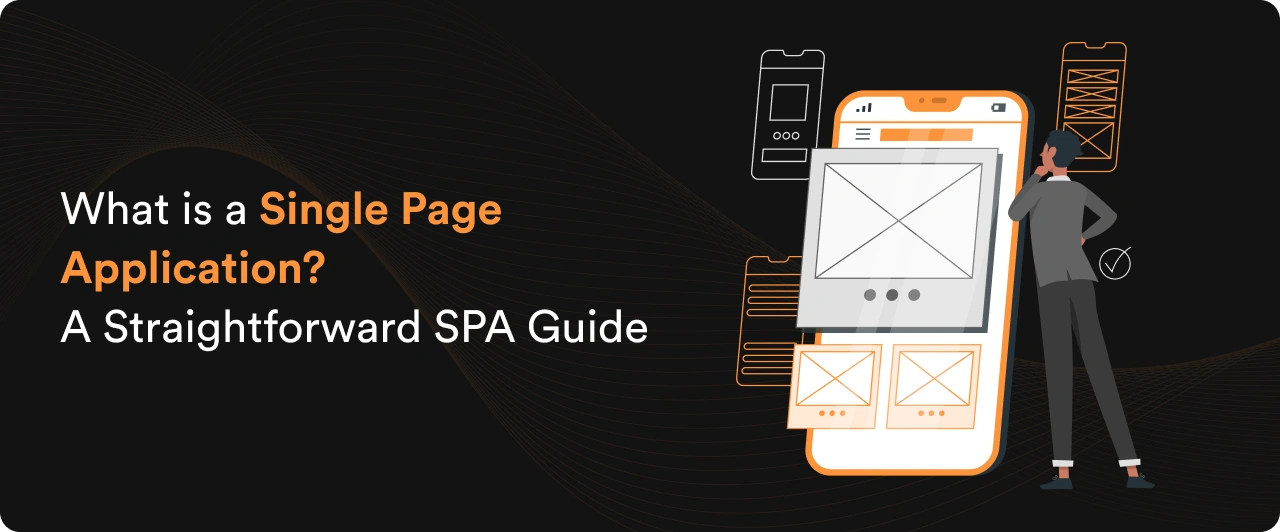
What Is a Single Page Application (SPA)?
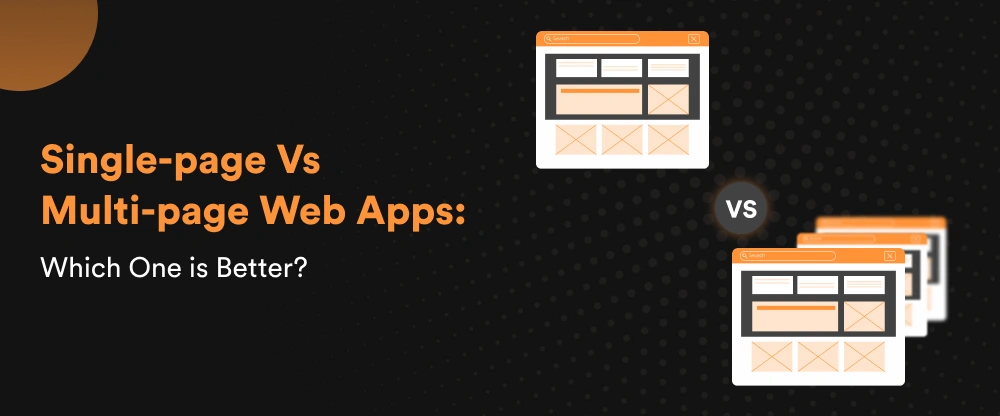
A Single Page Application loads the majority of its structure upfront. After that, it dynamically loads content as the user uses the application.
To the user, this feels faster and smoother. There’s no visual “reset” between actions, and the experience feels closer to a desktop or mobile app than a traditional website.
This is why SPAs are common in tools people use repeatedly, not just visit once.
In an SPA setup, the front end manages:
- routing,
- layout changes,
- form behaviour, and
- user interactions.
The back end focuses on:
- data,
- business logic, and
- integrations, usually through APIs.
Why Businesses Are Choosing Single-Page Applications?
1. The Product Feels Faster (Even When It Isn’t)
SPAs reduce full-page reloads, which makes interactions feel immediate. That perception of speed matters more than raw performance metrics, especially for tools users rely on daily.
2. Complex Workflows Stay Intact
Multi-step forms, live validation, filters, and conditional logic are easier to manage in an SPA. Users do not lose context in the middle of a task. This will decrease drop-offs and errors.
3. Easier Feature Expansion Over Time
As products grow, SPAs allow teams to add functionality without reworking core navigation. This is especially valuable for platforms that evolve based on customer feedback.
4. Cleaner Separation Between Design and Logic
Since the front end and the back end are decoupled, there is no interference of design with business logic. This accelerates iteration and minimizes risk in the process of updating.
5. Better Alignment With Mobile Experiences
SPAs mirror how mobile apps behave, which makes them easier to extend into Progressive Web Apps or companion mobile products later on.
6. More Control Over User Experience
With an SPA, teams control every transition, interaction, and state change. This level of control is difficult to achieve with traditional multi-page setups.
SPA vs MPA vs PWA: What’s the Difference?

There’s no “best” option across the board. The right choice depends on how users interact with the product and how often they return.
Common Frameworks Used for SPA Development
React
React has become very popular in the development of component-based and flexible interfaces. It has a mature ecosystem. It’s suitable for use in scalable applications that develop over time.
Angular
Angular is a full-fledged framework. It is usually selected in enterprise-grade applications where consistency, structure, and long-term maintainability are important.
Vue.js
Vue is in the middle ground between React and Angular. It’s lightweight, approachable, and popular for projects that need quick development without sacrificing performance.
A capable web app development team in Sydney will usually guide this choice based on product scope, internal skill sets, and long-term maintenance.
🎙️ Why Businesses Are Moving to Single Page Applications

Speed, smoother workflows, and better control over user experience drive SPA adoption. This episode explores why SPAs have become the default choice for internal platforms and customer portals.
 Press play and listen.
Where SPAs Can Fall Short?
SPAs aren’t ideal for every project. Initial load times can be heavier if optimisation is overlooked. SEO requires deliberate handling, especially for public-facing pages. There’s also more responsibility on the front end when it comes to state management and security.
These aren’t reasons to avoid SPAs—but they are reasons to build them thoughtfully.
Connect To Collaborate!

For businesses working with an experienced web app development company, SPAs offer a practical path toward building modern applications.
Frequently Asked Questions
What is a single-page application (SPA)?
An SPA is a web-based application that loads once and dynamically updates content. The user doesn’t have to refresh the page, which makes the experience of using it seamless.
What are the advantages of Single Page Applications?
They provide quicker engagements, handle intricate processes easily, simplify scalability, and deliver better user experience.
What are the common structures in the SPA development?
The most popular SPA frameworks are React, Angular, and Vue.js. Each of them applies to the specific requirements and complexity of a project.


Senior Technical Project Manager
Dushyant Takhar is a Web App Development Expert, passionate about building robust and scalable applications. His focus is on creating innovative solutions that streamline business processes and set companies up for long-term digital success.