













Healthcare in Australia is moving forward. But the systems behind it don’t always move at the same speed. You still see clinics juggling outdated tools. Are you also switching between systems that don’t quite connect? Or relying on manual work that eats up time?
Getting software to simply your business operations doesn’t always feel urgent until it starts slowing everything down. That’s usually when software comes into the conversation. Most businesses don’t start with a full rebuild. They start by figuring out what’s actually causing friction.
They focus on one area that’s causing the most issues and work from there. That’s often where a healthcare software development company steps in, especially when off-the-shelf tools don’t quite fit. Custom healthcare software development starts to make more sense at that point.
What are the Common Types of Healthcare Software?

There’s a wide range, and it’s not limited to large hospitals. Some businesses start small with one solution. Others build entire ecosystems over time. Here are examples of common healthcare software.
- Patient management systems
- Telehealth and virtual consultation platforms
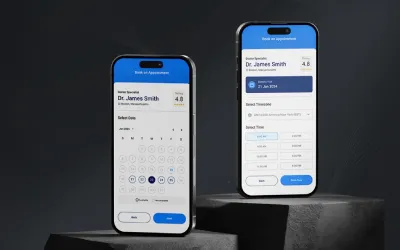
- Mobile health apps
- Electronic health records (EHR) systems
- Appointment and scheduling tools
- Billing and insurance processing systems
What is the process of custom healthcare software development in Australia?

Understanding what actually needs fixing
This usually starts with conversations, not code. What’s slowing things down, where things break, and what feels inefficient? Instead of jumping into features, the focus is on understanding real workflows and day-to-day challenges. That clarity makes everything else easier to plan.
Planning the system around your workflows
Once the gaps are clear, the structure starts to take shape. What the system should do? How users will interact with it? It’s less about adding features and more about making sure things make sense in practice. A rushed plan here usually creates problems later.
Designing something people will actually use
Healthcare software doesn’t need to be flashy, but it does need to be easy to use. Design is focused on clarity. Simple navigation, minimal friction, and no unnecessary steps. If people struggle to use it, they won’t stick with it.
Building and testing in stages
Development doesn’t happen all at once. It’s usually broken into smaller parts, built and tested along the way. This helps catch issues early instead of fixing everything at the end. It also gives room to adjust things as the system starts taking shape.
Launching and improving over time
Going live isn’t the finish line. It’s more like the starting point. Once people start using the system, real feedback comes in, and improvements follow. The best systems keep evolving instead of staying fixed.
Technology Behind Healthcare Software
Businesses working with software development services in Sydney tend to focus a lot on this backend layer. Because if this part isn’t solid, the rest doesn’t hold up very well.
Challenges in healthcare software development
- Strict compliance requirements: Healthcare systems need to follow Australian regulations. It can slow things down if not planned early.
- Data security concerns: Handling sensitive patient data means there’s very little room for error.
- System integration issues: Getting different tools and platforms to work together smoothly isn’t always straightforward.
- User adoption: Even well-built software can be difficult to use. If it’s not easy for end-users, the adoption rate drops.
- Scalability challenges: Some systems work for smaller setups. They may not hold up as your business grows or demand increases.
- High development costs: Custom solutions can require a bigger upfront investment without a proper roadmap.
🎧 Building Healthcare Software That Actually Works in Australia

Healthcare systems don’t always break overnight. They slow down over time with disconnected tools, manual work, and inefficient processes.
In this episode, we break down how custom healthcare software is actually built in Australia, from identifying real problems to designing systems that people will use.
We also cover the technologies behind it and the challenges most businesses face along the way.
If you’re planning to fix or build healthcare systems, this gives you a practical starting point.
 Press play and listen.
Where most businesses begin

Healthcare operational problems usually start with something small. One system that’s not working well. One process takes longer than it should. Fix that, and things start to improve in other areas, too. Software development services in Sydney can help you categorize your business issues and share a roadmap for custom solutions.
Frequently Asked Questions (FAQs)
What is healthcare software development?
Healthcare software development involves creating digital solutions specifically for medical services. One of the most common software is patient management systems.
What types of healthcare software can be developed?
The most common type is patient management systems. Other types include mobile health apps and EHR systems. Enterprise healthcare practices also need appointment scheduling tools and billing systems.
What technologies are used in healthcare software development?
Technologies often include cloud platforms, AI, and machine learning. Custom software development for APIs for integration. For healthcare apps, mobile development frameworks are necessary. And you need advanced security systems for data protection.
How much does healthcare software development cost in 2026?
Costs vary based on complexity, features, and compliance requirements. Smaller investments for basic apps. Fully integrated healthcare platforms demand larger budgets.
What should I look for in a healthcare software development company?
Look for experience in healthcare, strong knowledge of compliance and security, scalable development capabilities, and reliable post-launch support.


Senior Technical Project Manager
Dushyant Takhar is a Web App Development Expert, passionate about building robust and scalable applications. His focus is on creating innovative solutions that streamline business processes and set companies up for long-term digital success.