
Building a telehealth app is one thing. Scaling it without performance issues, compliance headaches, or frustrated patients is something else entirely. A lot of healthcare businesses focus heavily on launching the product. Features get prioritised. Design gets polished. The app goes live.
Then usage starts growing. That’s usually when the real challenges show up. Slow video calls, unstable infrastructure, appointment bottlenecks, privacy concerns, and backend systems struggling under traffic.
For Australian healthcare providers and startups, scaling a Telehealth Mobile App in 2026 isn’t just about adding more users. It’s about maintaining trust while the platform grows. And in healthcare, trust disappears quickly when technology fails.
What Makes Scaling a Telehealth App Different?
Healthcare apps carry a different level of responsibility compared to most other platforms. If an ecommerce app slows down, someone gets annoyed. If a telehealth platform crashes during a consultation, patient trust takes a direct hit.
That changes how scaling needs to work. Performance matters, but compliance, security, and reliability matter just as much. A Telemedicine App Development strategy that only focuses on frontend features usually runs into problems later. Telehealth app development in Australia needs a strong infrastructure from the beginning.
Core Features Every Scalable Telehealth Mobile App Needs
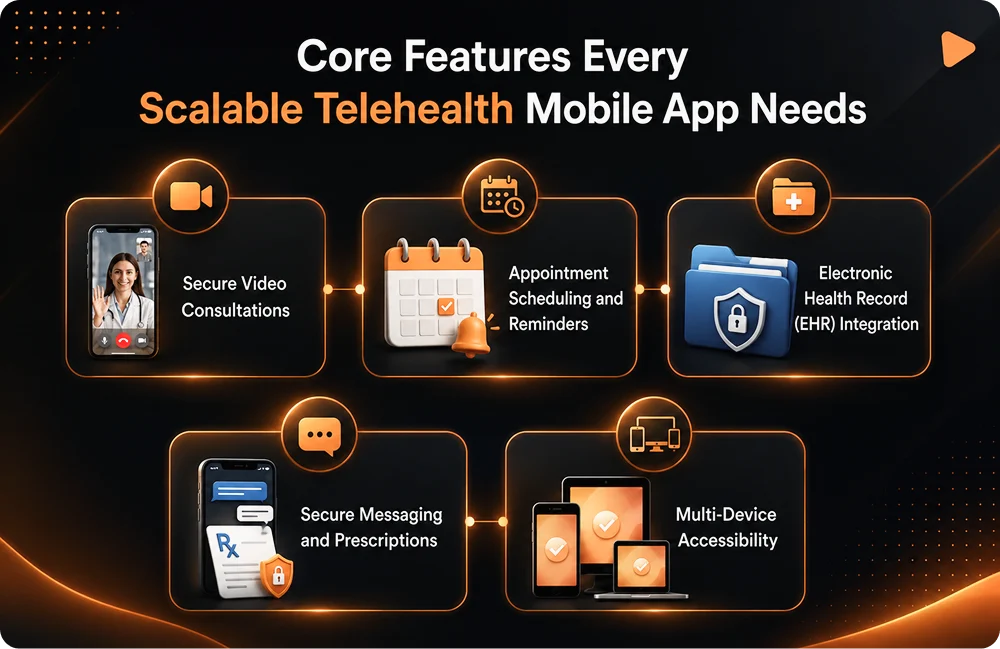
Secure Video Consultations
This is the centre of most telehealth platforms. Video quality needs to stay stable even when traffic increases. Laggy consultations or dropped calls create a poor experience very quickly. Reliable encrypted communication also matters because patient information needs proper protection.
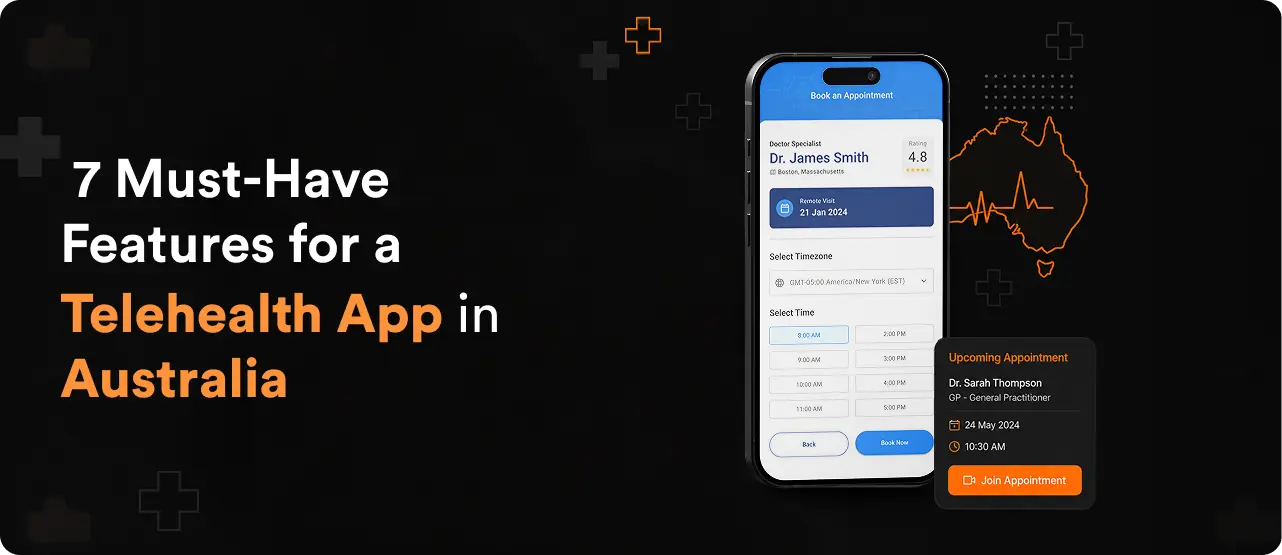
Appointment Scheduling and Reminders
Manual scheduling creates unnecessary friction. Reminders and notifications help reduce missed appointments. Automated booking systems make the experience easier for both clinics and patients. It also reduces administrative workload significantly.
Electronic Health Record (EHR) Integration
Doctors and healthcare providers need quick access to patient history during consultations. Real-time syncing between systems helps avoid fragmented records and improves continuity of care. Without proper integration, platforms become much harder to scale operationally.
Secure Messaging and Prescriptions
Patients often need follow-ups after consultations. Secure messaging, prescription management, and post-consultation communication improve patient engagement while keeping communication protected.
Multi-Device Accessibility
Not every patient uses the same device. A scalable virtual care platform in Australia needs to work smoothly across phones, tablets, and desktop systems. That becomes especially important for regional users and older patients who may rely on different devices.
How to Scale a Telehealth App for High Patient Volume?
Build on Scalable Cloud Infrastructure
A lot of performance issues start at the infrastructure level. Scalable Cloud Infrastructure allows platforms to scale traffic more efficiently during spikes in consultations or appointments. Without a flexible infrastructure, systems become unstable very quickly.
Optimise Backend Performance
Frontend design gets attention because it’s visible. Backend performance is what keeps the platform running properly. Database optimisation, load balancing, and caching systems help reduce delays when traffic grows. The smoother the backend operates, the better the overall patient experience feels.
Prioritise Video Infrastructure Stability
Video systems can’t be treated like a secondary feature. Real-time communication requires strong architecture underneath. Even small delays affect consultation quality. For healthcare businesses, reliable video infrastructure becomes part of the brand experience itself.
Strengthen Cybersecurity Early
Healthcare data is extremely sensitive. Telehealth platforms are frequent targets for cyberattacks because of the amount of personal information they store. Security can’t be added later as an afterthought. Encryption, access controls, secure authentication, and ongoing monitoring all need to be built into the platform early.
Monitor Performance Continuously
Scaling problems usually appear gradually. Performance monitoring tools help businesses identify slowdowns, bottlenecks, or infrastructure strain before patients start noticing issues themselves. That visibility becomes critical as usage increases.
Compliance Requirements for Australian Telehealth Apps
- Secure data storage
- Encrypted communication
- Consent management
- Controlled access to records
- Proper data handling processes
Telehealth App Development Cost in Australia
App Complexity | Estimated Cost Range (AUD) |
Basic MVP Telehealth App | $25,000 – $60,000 |
Mid-Level Platform | $60,000 – $150,000 |
Enterprise Telehealth Platform | $150,000+ |
Features like AI, analytics, advanced integrations, or large-scale infrastructure push costs higher fairly quickly.
🎙️ Building Scalable Telehealth Apps for Australia’s Growing Healthcare Demand

Scaling a telehealth app takes more than adding new features. In this episode, we explore the biggest challenges healthcare businesses face as patient demand grows across Australia.
From secure video consultations and cloud infrastructure to backend performance, cybersecurity, and compliance, we cover the key systems required to build reliable telehealth platforms that can scale smoothly.
We also discuss how Australian healthcare businesses can protect patient trust while building virtual care apps designed for long-term growth.
Build a Reliable & Scalable App

Scaling a virtual care platform in Australia is about maintaining reliability while healthcare delivery becomes more digital. Patients expect telehealth systems to work consistently, securely, and without friction. The businesses planning scalability early are usually the ones that avoid major infrastructure and compliance problems later. And in healthcare, stability matters just as much as innovation.
Frequently Asked Questions (FAQs)
Costs vary depending on features, compliance needs, integrations, and infrastructure complexity.
Most platforms take several months depending on compliance requirements and feature scope.
Secure video consultations, appointment scheduling, EHR integration, secure messaging, and payment functionality.
By using secure storage, encryption, consent management, and compliant data handling processes.
Use scalable cloud infrastructure, optimise backend systems, strengthen cybersecurity, and monitor performance continuously.