














Look, everyone’s on their phone 24/7 now. Your customers are. So are mine. They’re booking haircuts at 2 AM, checking if you’ve got stock before driving over, tapping to pay because cash is basically dead. You do all this too, yeah?
The thing is when your business doesn’t work on mobile, people just drift off somewhere else. Not in some dramatic way.
We have watched heaps of businesses build apps over the years. Some absolutely kill it. Others completely tank. Watched one mob drop $85K on an app, got maybe 40 downloads. Then this bakery near us in Newtown spent $32K and covered it in four months just from direct orders.
If you’re thinking about mobile app development in Sydney or anywhere across Australia, here’s what’s genuinely working in 2026.
1. AI-Powered Apps
AI stopped being futuristic around 2024. Now it’s just how things work.
Melbourne retailers predict what you’ll buy before you even search for it. Sydney banks flag dodgy transactions while you’re still standing at the register. Couple years back? AI was this thing you’d bolt on. Now it’s built into everything from the start.
There’s this fashion retailer in Sydney won’t say who, that made an app shifting recommendations based on what you’re browsing that second. Not what you bought at Christmas!
The best AI apps don’t make noise about having AI. They just work smoother than everything else.
2. E-commerce & Marketplace Apps
Let’s be real, everyone shops on phones. Nothing new there.
What shifted though? People got insanely picky about the experience.
Reasons people bail:
- Checkout takes one tap too many
- Can’t see how furniture looks in their actual room
- Loading speed isn’t fast enough
Caught up with this cafe owner in Brisbane couple weeks back. Ditched Uber Eats completely. Built his own thing instead. Commission fees were absolutely destroying him, lost close to 35% per order.
Now:
- Keeps all customers
- Controls the experience
- Actually makes profit
3. Customer Engagement & Loyalty Apps
Remember those cardboard punch cards? You’d shove them somewhere, forget about them, complete one, lose it before getting your free coffee.
- Book appointments
- Track points
- Send notifications about deals
Nothing fancy. Just useful.
Why small businesses love this.
- Own the customer data
- Push notifications get opened (crushes email)
- Test promotions instantly without ad spend
The mobile app development company teams say the same thing. These apps don’t need forty features. Three things done well. That’s literally it.
4. Healthcare & Telehealth Apps
COVID completely rewired how healthcare works in Australia. Telehealth isn’t backup anymore, it’s just standard now.
What Aussie patients expect:
- Doctor visits from their couch
- Booking online without calling
- Prescriptions without endless hold music
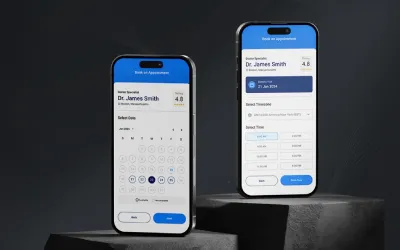
Melbourne and Sydney clinics built apps handling everything such as video calls, patient records, prescriptions all in one spot.
Why this works:
- Patients get speed
- Providers cut costs heaps
- Government’s backing it with real funding
That’s pushing massive money into 24/7 healthcare instead of “weekdays 9-5.”
5. Automotive & Fleet Management Apps
This category gets overlooked constantly. But transport and logistics companies? Dropping serious cash on mobile apps.
What fleet managers actually need:
- Live vehicle tracking
- Routes accounting for real traffic
- Fuel costs and maintenance schedules
Everything without making fifteen calls
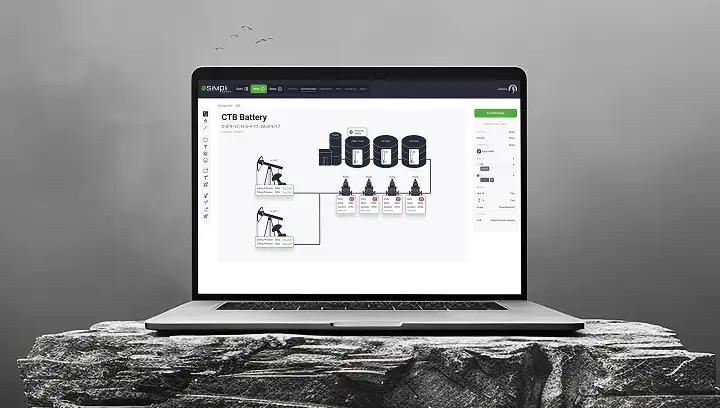
Brisbane and Perth logistics companies handle all this through mobile dashboards now.
Results they’re seeing:
- Drivers save time with optimised routes
- Managers get real-time data (not yesterday’s Excel)
- Costs drop from less wasted fuel
- No missed maintenance
6. Fintech & Payment Apps
Banking went mobile ages ago. What changed? How sophisticated everything got.
Standard features now:
- Digital wallets
- Investment platforms
- Budgeting tools
- AI spending insights
- Bill predictions
Fraud catching before it’s your problem
Australia’s digital finance market projected to hit $3 billion by 2026. Most of that? Mobile-first platforms where people manage entire financial lives without visiting actual branches.
Why Do Most Apps Tank and Some Perform Like Native?
Most apps fail for one simple reason: they solve problems that don’t exist and rest prefer copying instead of inventing!
Apps that work share three things:
- Solve real problems frustrating people now
- Genuinely faster than current options
- Built for regular use (not download stats)
Aussie businesses getting smarter about building. Cross-platform development with Flutter or React Native:
- Cuts costs 30-40%
- Launches iOS and Android together
- Doesn’t double budget
What Building Actually Costs
Let’s get specific here.
Basic apps with straightforward features: $30,000 to $80,000
Advanced apps with AI, real-time stuff, complex backends: $50,000 to $200,000+
For startups:
- MVP: $25,000 to $60,000
- Cross-platform: $40,000 to $120,000
- Full native both platforms: $80,000 to $250,000
- Developer rates sit around $150 to $200 hourly.
That’s why planning matters. Every hour costs real money. Apps succeeding are ones where businesses plan properly first instead of just jumping straight in.
Where Aussie Businesses Are Actually Spending?
By this stage, the pattern is obvious. Australian businesses aren’t guessing anymore, they’re investing where returns are proven. Budgets are flowing into apps that either increase repeat revenue, reduce operational costs, or remove dependency on third-party platforms.
From AI-driven insights to owned e-commerce and operational tools, companies are prioritising apps that deliver measurable outcomes within realistic timeframes. The numbers below reflect what businesses are committing today and how quickly they expect those investments to pay off.
Mobile App Development Cost & ROI in Australia (2026)
Let us show you the numbers straight. This is what companies are investing and what they’re expecting back.

These come from actual mobile app development services projects happening right now across Australia. Not someone’s guesswork!
Picking What Makes Sense
Stop chasing trends. Think about what your customers need.
Questions worth asking:
- Is an app even the best option here?
- Would a decent mobile website work fine?
- Can I test demand before dropping $100K?
- Do I actually have a maintenance plan?
Build Stuff People Want Using
Mobile apps aren’t optional anymore. Doesn’t mean every business needs identical things though.
Australian companies invest in apps showing real results:
- AI tools
- E-commerce platforms
- Engagement apps
- Healthcare solutions
- Automotive systems
- Fintech products
They lead because they solve genuine problems.
Winning businesses work with teams who get:
- Australian regulations
- Local market stuff
- What delivers ROI (not vanity numbers)
Don’t build an app because competitors have one. Build it because you found a real problem and you’re actually ready solving it.
🎧 These Mobile Apps Are Winning in Australia (2026)

This episode explores how Australian businesses are investing in mobile apps in 2026, including key app types, development costs, and what’s delivering real returns.
 Press play and listen.
Building mobile apps that can drive value!

Mobile apps in Australia aren’t about trend-chasing anymore. They’re about staying competitive when customers expect everything fast, convenient, mobile-first.
Building the right app means understanding what problem you’re solving and who needs it solved. Work with teams knowing Aussie businesses and what drives returns. VT Digital helps SMBs and enterprises across Australia build mobile solutions that perform, scale, and deliver value.
Frequently Asked Questions (FAQs)
What mobile apps deliver the highest ROI for Australian companies in 2026?
AI-powered apps, e-commerce platforms, customer engagement tools show strongest returns right now. They cut costs, drive revenue, increase retention by solving actual problems people face instead of theoretical ones.
How much does app development cost in Australia for startups?
Startups spend $25,000 to $120,000 typically depending on what they’re building. Basic MVP starts around $25,000. Cross-platform apps with features hit roughly $120,000. Full native builds cost way more than that.
What budget-friendly mobile apps work best for Australian businesses?
Loyalty apps and booking systems offer best value for small businesses. They cost $30,000-$80,000 usually, show ROI quickly through direct engagement, eliminate expensive platform commissions completely.
Which platform should Australian businesses build for first, iOS or Android?
Depends entirely on your customers. iOS users spend more generally – better for premium products. Android gets wider reach, especially regional areas. Cross-platform development launches both simultaneously without doubling costs though.
How long does it take to build a mobile app in Australia?
Simple apps take 3-4 months roughly. Apps with integrations take 4-6 months. Complex apps with AI or custom backends take 6-12 months. Really depends on features needed, team size, requirement clarity before starting.


Technical Project Manager
Prithi is currently working as Android Architect at VT Digital. He is having 12+ years of industry experience. Prithi has worked on different technology stacks including Android, Kotlin, iOS, Java, J2EE, React Native, Flutter, Web Services. Prithi is currently exploring AI and ML in Mobile app development.